There is a stretch of the morning that belongs to almost nobody — it begins about an hour before the sun clears the horizon and ends the moment you can see the water clearly enough to cast. Anyone who has fished it will tell you the same thing: it is not the view you go back for, it is the fishing.
The water comes alive before dawn
The first surprise is how much there is to hear. With no light to lead with, the ear takes over — water lapping against the shore, a shift in the wind as the breeze picks up off the lake, the small dry sound of a fish breaking the surface a few steps out. People who normally fish through the day find themselves stopping every few minutes, listening for the next rise.
None of this is mystical. Sound carries further through cold, still air, and there is far less competing with it. Knowing why does not make it any less strange the first time you hear a trout feeding in the dark.
The second surprise is how well you can fish by feel. Given twenty minutes without a torch, most people can cast a reasonable line by the difference between the sky and the water underneath it. The trick is to stop looking directly at where you want the fly to land: peripheral vision handles low light far better, so the strike zone shows up best when you look slightly past it.
There is a limit, and it is worth being honest about it. Under heavy cloud with no moon the difference between sky and water disappears altogether, and the sensible thing is to use the light you brought. Nobody hands out prizes for casting blind into rocks.
What the morning demands
An earlier night, which is the part almost nobody manages. One more layer than you think you need, because the coldest point of the whole day arrives shortly before sunrise rather than in the middle of the night. And a stretch of water you already know, since this is not the hour to find out whether you can wade the bottom safely.
Also: tell someone where you have gone. This single habit is what separates the people who do this for years from the people who do it twice. It costs nothing and it removes the only genuinely bad outcome from the morning.
Beyond that it asks for very little. A headlamp you keep switched off unless you need it, something warm to drink, and enough time that you are not watching the clock. The point is to arrive early and wait for the first rises.
You do not go out to watch the light arrive. You go out to be there while the fish decide to feed.
Then the light arrives
It does not happen all at once, and it does not happen where you expect. Long before anything shows in the east, the water starts to separate from itself — a ripple line, then the shape of a drop-off, then the fact that the surface has texture and the texture is not smooth. Distance comes back before detail does.

There is a short window, maybe four or five minutes, when the low sun rakes across the surface sideways and every ripple and feeding ring stands up. Then it lifts, the shadows shorten, and the fish stop rising.
The temptation now is to reach for a camera, and there is nothing wrong with that, though almost everyone reports the same result. The photographs are fine, and they are not the thing. What a photograph cannot hold is the twenty cold minutes of casting that came before it, or the weight of a fresh catch.
Coming back to the water
The mornings that fail are useful too. Flat grey light, wind that makes casting miserable, an hour of fishing for nothing you could describe to anyone afterwards — these are what make the good mornings legible. Without them the whole thing collapses into mere scenery.
Go often enough and the mornings stop being interchangeable. You start to recognise the ones that will turn out well from the feel of the air on the way down to the shore, and you are wrong often enough to keep going back. The honest reason has little to do with light: for one hour nothing is asked of you, nothing can reach you, and the day has not yet begun making its case.
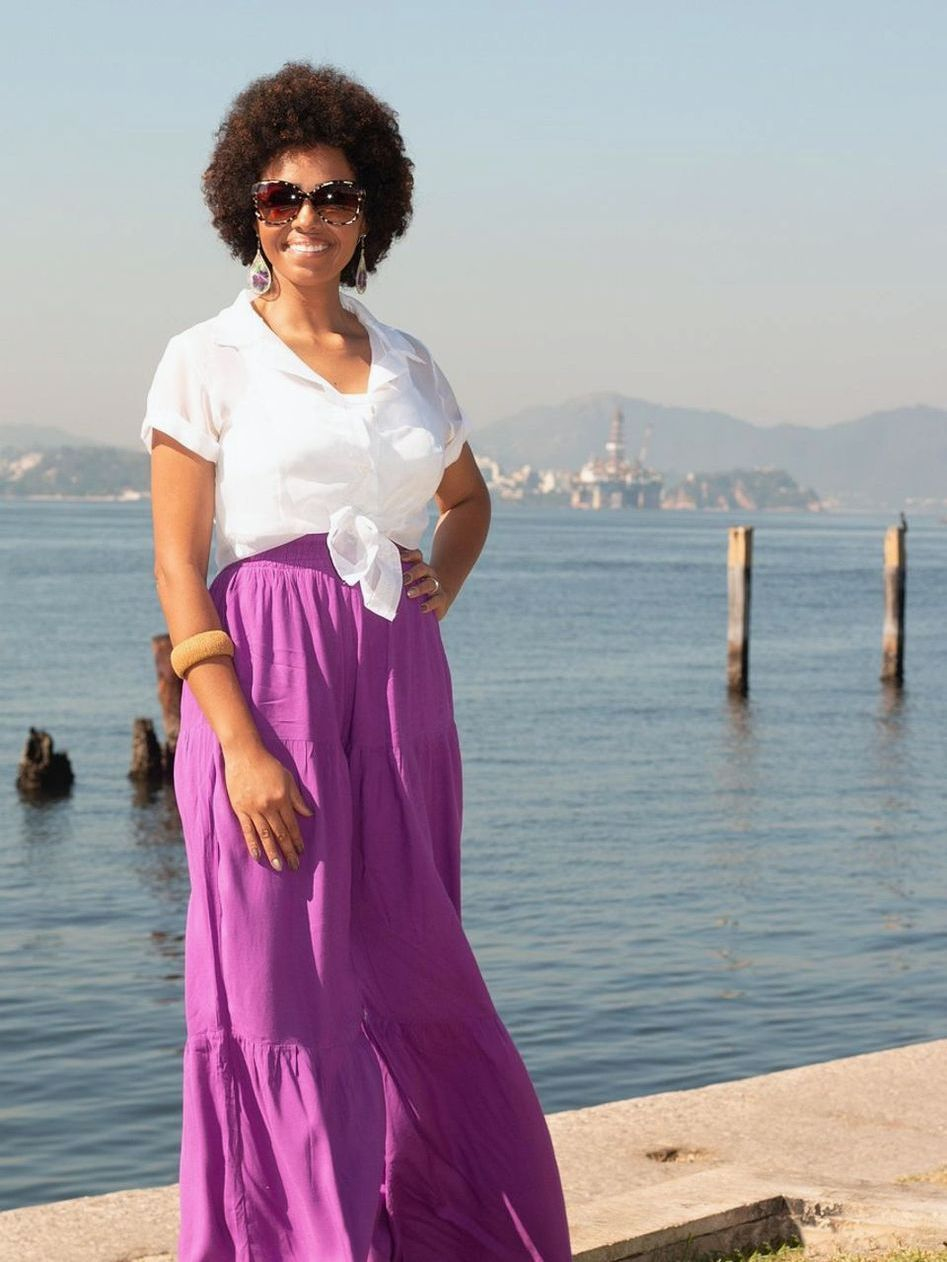
Chef Morgan fishes the dawn more often than is reasonable, and has edited this journal since the first issue.